People often focus on the first appointment: the butterflies in the waiting room, the pinch, the mirror reveal. What keeps lips looking soft and balanced, though, is the follow-through. A thoughtful touch-up schedule protects your investment, manages expectations, and helps you avoid the whiplash of “too much” or “it all disappeared.” I have treated patients who wanted pillowy volume year-round, others who preferred a barely-there edge for lipstick grip, and many who simply wanted to undo age-related deflation. All three need different maintenance patterns. The secret is matching filler choice, dose, and timing to your goals, anatomy, and metabolism.
The life cycle of lip filler, in plain terms
Hyaluronic acid gel is the workhorse for lips. It integrates with your tissue, draws water, and gradually breaks down through your body’s normal enzymatic processes. Most lip fillers fall within a 6 to 12 month window, but that headline number hides a lot of nuance. Softer, more flexible gels that feel subtle often fade faster, while denser or more cohesive gels tend to hold shape a bit longer. Younger, very active patients usually metabolize filler more quickly than older or sedentary patients. Smokers, high-heat enthusiasts, and frequent sun tanners also tend to see shorter longevity.
The practical effect is a curve, not a cliff. The lips look fullest in the first 2 to 4 weeks once swelling settles, then you see a slow taper. Most people notice a gentle reduction starting around months 3 to 6, followed by a more obvious softening somewhere between months 6 and 9. Very few get a full 12 months of ideal shape from a single treatment unless they started with conservative volume or chose a firmer gel.
The real timeline: from needle day to normal
Day 0 to 3 is noise. Swelling can be misleading, and the first 24 hours are often the puffiest. Expect tenderness, mild asymmetry, and possible bruising. Ice in short intervals helps, avoid heavy workouts that raise blood pressure, and sleep with your head elevated the first night if swelling worries you. Most bruises fade within 5 to 7 days. A small minority bruise for 10 to 14 days.
From day 7 to 14, shape becomes believable. I ask patients not to judge anything earlier than one week unless there is pain, blanching, or unusual firmness that could signal a vascular issue. At 2 weeks, the lips read close to true, although micro lumps can still soften with massage if your injector recommends it. Full tissue settling sits around the 3 to 4 week mark. That is why I schedule the first evaluation 2 to 4 weeks after treatment rather than sooner. It avoids chasing swelling with more product.
How long do lip fillers last when done conservatively?
For a first-time patient, I often start with a half syringe to one syringe, depending on lip size, structure, and goals. Using less on day one protects shape and reduces the risk of duckiness. With that approach, lip filler longevity typically lands around 6 to 9 months before most patients want a refresh. Those who start with a half syringe often return closer to the 4 to 6 month range for a tiny top-up because small volumes recede faster. Those who start with a full syringe, placed strategically, can stretch to 6 to 9 months.
Volume stacking changes the equation. If you add small top-ups at the right intervals, you build a natural base, and results can stretch to the 9 to 12 month range because you are not starting from zero each time. That is the thinking behind a maintenance schedule rather than spotty one-offs.

Building a lip filler touch-up schedule that fits real life
I start by mapping goals and a calendar. Are we building lips from flat to full? Are we refreshing a shape you already like? Do you have key dates, like a wedding or on-camera project, when you want peak results? From there, we choose filler type, syringe count, and timing.
For most patients wanting soft, balanced volume, a practical lip filler maintenance schedule looks like this:
- Initial series: 1 session with 0.5 to 1 syringe, followed by an optional micro-top-up of 0.2 to 0.4 syringe at 3 to 8 weeks if needed for symmetry or border refinements. Ongoing touch-ups: 0.3 to 0.7 syringe every 6 to 9 months, adjusted based on how fast you metabolize and whether you prefer a plush or subtle look.
If your metabolism runs fast, you train hard daily, or you want a very plush aesthetic, your touch-up cadence often tightens to 4 to 6 months. If you favor whisper-thin enhancement or you have a naturally full lip that needs only border definition, a 9 to 12 month interval can work well.
Swelling, bruising, and the “looks too big” window
Nearly everyone overestimates final size during the first 72 hours because swelling stacks on top of filler. A good rule: whatever looks “perfect” on day two will probably feel a touch small by week three. If anxiety spikes early, wait for the 2 to 4 week assessment before requesting more volume. Quick add-ons while swollen can push you into overfilled territory once inflammation fades.
The lip filler swelling timeline typically runs 24 to 72 hours of visible puffiness, then a gentle decline over a week. Bruising duration varies with needle versus cannula, technique, supplements, and your personal vascularity. Arnica may help some, but I focus on prevention: minimal passes, slow injections, and precise plane placement.
When to schedule your first refinement
Two to four weeks after your first session is ideal for the check-in. By then, shape has settled, nodules are easier to assess, and you can tell if a small asymmetry needs correction or if the border could use a whisper more definition. If you need a touch-up, small doses shine here. I often use 0.1 to 0.2 milliliter aliquots per subunit to finesse the Cupid’s bow, erase lipstick bleed lines, or lift peaks that lag behind. Patients who respect small tweaks early on usually avoid bigger, pricier revisions later.
Dose planning: half syringe, full syringe, and beyond
A single syringe equals 1 milliliter, which is about a fifth of a teaspoon. It is not much. The difference between a half syringe and a full syringe can be dramatic on a small mouth, subtle on a larger canvas. As a rough guide, a half syringe helps with:
- Border sharpening, slight hydration, or smoothing vertical lip lines without big volume changes.
A full syringe helps with:
- Noticeable but natural volume, better balance of top to bottom, and improvement of asymmetry that a half syringe cannot fully correct.
Multiple syringes are not common in a single sitting unless you are reconstructing severe volume loss or working across lip and surrounding perioral areas. When larger changes are needed, staging treatments over 2 to 3 sessions protects the blood supply and gives tissue time to adapt, which improves lip filler long term results.
The wear-off pattern and how to spot the right moment to refresh
You will know you are entering the touch-up window when lipstick bleeds at the edges again, your Cupid’s bow blurs, or your top lip tucks under more when you smile. Some people see wrinkles at the corners reappear first. Others notice volume loss dead center. Catching it early usually means a lighter touch-up dose and a better cumulative effect. Waiting until you are “back to baseline” usually requires more product and can make results feel more up and down.
Filler brands, gel texture, and what that means for longevity
Patients ask me constantly about a lip filler best brand or safest brand. Safety hinges on the injector’s skill more than the label, but gel chemistry matters. Within families such as Juvederm and Restylane, you have multiple formulations with different thickness, cohesivity, water attraction, and flexibility. In real life:
- Softer gels designed for natural movement feel smooth and integrate beautifully, but typically lean toward the 6 to 9 month end of the spectrum. Slightly thicker, more structured gels can hold projection and border definition longer, which may stretch to 9 to 12 months in some patients, especially when used conservatively.
The lip filler Juvederm vs Restylane conversation is more about choosing the right tool per lip subunit than brand loyalty. For example, a flexible, hydrating gel can be perfect for the vermilion body, while a more cohesive gel at micro volumes along the white roll can support crisp edges. That is why a lip filler types comparison without context often misleads. You want a brand comparison anchored to your anatomy and animation.
Lip flip, implants, and gloss: where they fit
The lip flip uses Botox or another neuromodulator to relax the muscle that tucks your top lip under when you smile. It can make the upper lip show more, but it does not add volume. It lasts 6 to 10 weeks typically. Think of it as an adjunct for people who purse tightly or smile wide, not a substitute for hyaluronic acid. Regarding lip filler vs lip flip or lip filler vs Botox lip flip, combine them strategically if you want both a softer muscle pattern and lasting fullness.
Lip implants are permanent devices placed surgically. They create stable volume but feel less natural and carry surgical risks. Most patients prefer the control and adaptability of hyaluronic acid, especially because trends and personal taste can shift over time. Temporary vs permanent is not just about duration, it is about reversibility and refinement.
Glosses and topical plumpers work by irritating the lip or increasing blood flow. They can make lips appear slightly bigger for an hour or two. They are fine for a quick boost but will not replace filler for structure or sustained hydration. If you are comparing lip filler vs lip plumping gloss for a big event, use gloss as an accent over a well-supported lip, not your main event.
Price, value, and planning your budget
Patients deserve lip filler cost transparency before they sit down. Prices vary by city, injector experience, and brand, but a realistic lip filler pricing guide in many US markets looks like this: 500 to 1,000 dollars per syringe, occasionally higher in dense metros or elite practices. If you have seen a very low lip filler price online, dig into the details. Is it a half syringe? Is it a first-time promo? Is the product a short-lasting gel? Cheaper is not always cheaper if you require more touch-ups or get mediocre aesthetic control.
Lip filler cost per syringe does not always equate to the cost to achieve your specific look. Some patients do beautifully with a half syringe twice a year, which lowers annual spend. Others need a full syringe initially plus a small refinement, then light touch-ups. The value per syringe depends on placement, technique, and how well you metabolize the product. Ask your injector for a lip filler cost breakdown that includes average maintenance cost, not just the first appointment.
If you prefer to spread out costs, many clinics offer lip filler financing or payment options. I advise patients to budget for treatment plus one refinement in the first year, then maintenance every 6 to 9 months after that. Lip filler budget planning framed as an annual line item reduces surprise and helps you choose wisely between lip filler affordable options and premium fillers. Cost effectiveness comes from getting the right dose at the right time with the right gel, not shaving fifty dollars and paying more later to correct.
ROI, but make it cosmetic
Cosmetic ROI sounds clinical, but it helps guide decisions. Measure your satisfaction not just by before and after photos, but by the daily ease you feel in the mirror, the way lipstick sits, the balance of your face at rest and in motion. A lip filler investment treatment pays off when you look consistent month to month without whiplash changes. Patients who calibrate their touch-up schedule to their lifestyle often report the best lip filler long term results with less product overall.
What I watch for between appointments
In follow-ups, I assess not just volume, but distribution. Does the top lip hold its projection at the peaks or has the center settled more? Has the lower lip flattened? Do corners tent in? The vermilion border can lose structure first, especially in patients who sip from straws often or purse the mouth. Small doses at the border can restore crispness without bulking the body of the lip. If the patient reports fast wear off time, I check for contributors: smoking, endurance training, sauna or steam room habits, and high-expression jobs like on-camera hosting where lips are animated all day.
Sometimes we change gears. A patient who felt dry and wanted hydration more than volume may benefit from Lodi CA lip filler a very soft, water-attracting gel for the body of the lip, paired with tiny threads of a slightly firmer gel along the edge. That combination can stretch perceived longevity because border definition remains while hydration ebbs slowly. Flexibility, not brand loyalty, is the driver.
Safety, reversibility, and touch-up discipline
Hyaluronic acid fillers are reversible with hyaluronidase, a safety net that matters in an area with dense blood vessels. Discipline means never chasing asymmetry while swollen, avoiding repeated large-volume sessions in a short window, and respecting the blood supply, especially at the Cupid’s bow and along the philtral columns. If a patient arrives from elsewhere with overfilled lips or firm nodules, I often dissolve selectively, allow tissue to calm for a couple of weeks, then rebuild with micro volumes. Long term, that yields better durability and a softer feel.
What an efficient appointment flow looks like
Your time matters. An efficient session includes a brief review of changes since last time, objective photos, a plan for dose and placement, numbing where needed, slow injections with frequent checks, and clear aftercare. I like patients to see the lips from multiple angles mid-procedure with the head elevated, not flat on a table. That stance mirrors reality and reduces surprises later. Total chair time often runs 30 to 45 minutes for maintenance and a touch longer for first-timers who need more education.
The budget side of shape changes across a year
Here is a realistic, conservative example for a patient seeking a natural look:
- Month 0: Full syringe, 700 dollars. Week 4: Micro-top-up for symmetry, 0.2 to 0.3 syringe, 200 to 300 dollars depending on practice policy. Month 6 to 8: Maintenance 0.4 to 0.6 syringe, 300 to 500 dollars. Total year: Approximately 1,200 to 1,500 dollars.
A patient who prefers a “just-bitten” subtlety may spend less, especially if half syringes stretch 6 months for them. Another who wants plush volume and has a fast metabolism might spend more. The point is not the exact number, but seeing the lip filler maintenance cost as planned, predictable care.
Frequently misunderstood trade-offs
Using a thicker gel at the border can buy longevity for definition, but too much can make the white roll look shelf-like. A very soft gel in the body gives a juicy, hydrated look, but may not last long if you are a runner or frequently in hot yoga. Overfilling the upper lip alone can make the profile top-heavy, which reads artificial. Balancing top and bottom, and sometimes adding a hair of support to oral commissures, improves both aesthetics and durability because the lip rests in a healthier posture.
Some patients chase immediate fullness after swelling deflates, then regret the heaviness a month later. Better to accept that two-week dip and reassess at week four with fresh eyes. I see fewer regrets and better cost effectiveness with that patience.
How to make your results last without doing more filler
Hydration helps, not just from a water bottle, but from barrier-friendly lip care that reduces transepidermal water loss. Protect with SPF on the lips, especially if you are skiing or at the beach. Avoid smoking and minimize straw use, which can etch lines and change muscle patterns. If you grind or purse under stress, consider small doses of neuromodulator around the mouth when appropriate. It does not last as long as filler, but it can protect your investment by slowing repetitive micro-folding.
When you work out, give yourself a buffer of 24 hours after treatment to avoid amplified swelling or bruising. Heat accelerates bruising and metabolism in the short run, so skip sauna and steam for a couple of days. These little habits, repeated, save money by stretching your lip filler duration.
When to skip a touch-up
If you are pregnant or breastfeeding, wait. If you have an active cold sore, treat that first and let tissue heal before injections. If you are traveling long-haul within a day or two, reschedule so you can keep swelling and bruising easier to manage at home. If your lips feel firm or tender beyond the reasonable healing time, see your injector to check for delayed inflammation before adding more product.
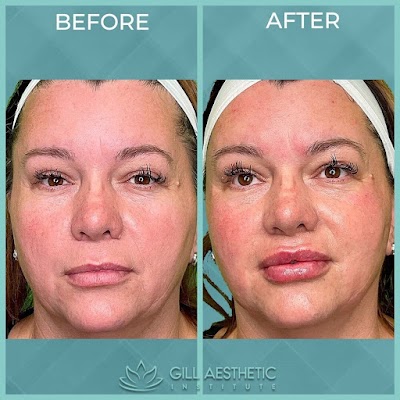
A short comparison for context seekers
- Lip filler vs lip implants: Fillers are adjustable, reversible, and more natural in motion. Implants are permanent and stable, but feel less natural and lack micro-control of shape. Lip filler vs lip flip: Filler adds volume and structure. A lip flip reduces muscle tuck for a few weeks, making the top lip show more without true volume. Lip filler vs lip plumping gloss: Filler supports shape for months. Gloss offers minutes to hours of temporary swelling or color.
Your personalized schedule, not your friend’s
No two metabolisms match. I have one patient, a cycling instructor, who needs a small touch-up every 4 to 5 months to keep her edges sharp. Another, mid-fifties, drinks plenty of water and avoids heat, and she comfortably returns every 9 to 10 months with minimal dose. Both are right. The lip filler frequency that suits you will show up in photos and daily life: how lipstick behaves, how your smile looks in candid shots, how the lips rest without makeup.
A good injector will track these patterns and adjust. That is what a lip filler touch-up schedule really is: a feedback loop for durable, natural results. Set your first-year plan with room for a small refinement, check in at the 2 to 4 week window after the initial session, and plan maintenance before you fully regress. Pair smart dosing with habits that protect your filler. The pay-off is a steady look that feels like you, just fresher, month after month.